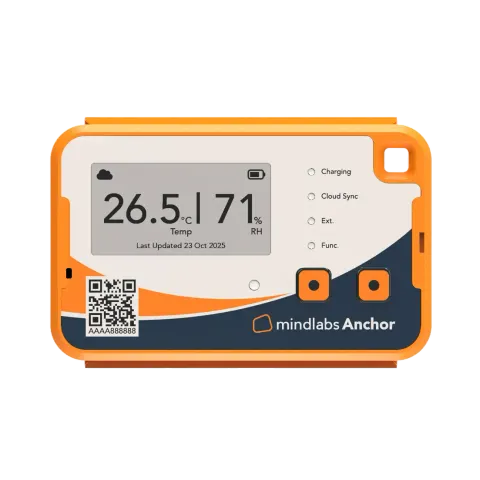
- Wireless
- Multi-point
- Temp + humidity
Mindlabs
Mindlabs Anchor
- Range
- -30 to +70°C, 0–100 %RH (probe: -200 to +200°C)
- Accuracy
- ±0.5°C, ±3 %RH
- Connectivity
- 4G CAT-1 + 2G, Wi‑Fi, Mindlabs Cloud
- Use
- Reusable
₹20,000 – ₹24,999
When you're responsible for dozens of freezers, cold rooms, warehouse zones or several sites, checking loggers one by one stops working. A multi-point temperature monitoring system brings every sensor onto one dashboard, with central alarms, escalation and automatic compliance reports. Explore systems for pharma plants, warehouses, hospitals, blood banks and labs, with full specs and indicative prices in INR, plus a guide to planning your system. Multi-point temperature monitoring systems are also called multipoint or multi-channel temperature data loggers. They range from 8-channel data loggers to wireless sensor networks that cover cold rooms, warehouses and hospital departments from one dashboard.
What is a multi-point temperature monitoring system?
A multi-point temperature monitoring system connects many sensors or channels to one platform, so you can monitor several freezers, rooms, zones or sites from a single dashboard with central alarms and automated reports.
13 models · 10 brands · indicative ₹6,000 to ₹15,00,000
Mindlabs
₹20,000 – ₹24,999
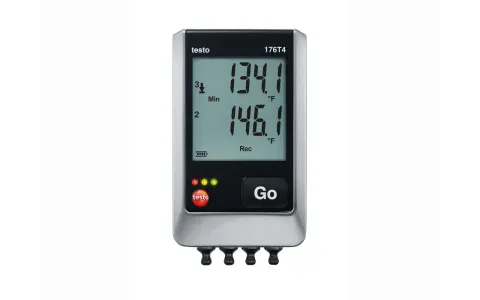
Testo
₹35,000 – ₹50,000indicative
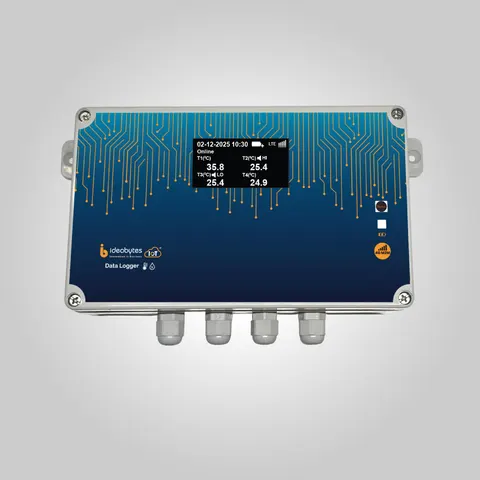
Ideabytes
₹40,000 – ₹70,000indicative
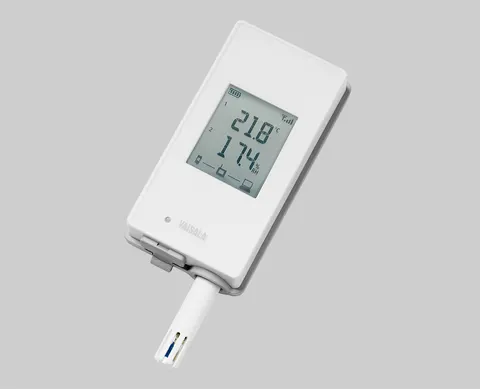
Vaisala
₹35,000 – ₹60,000indicative
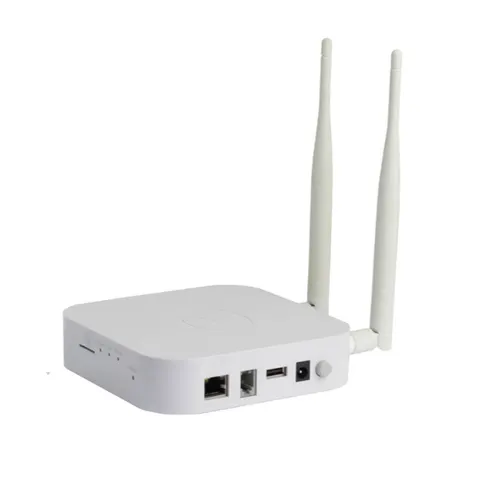
Elitech
₹9,000 – ₹15,000indicative
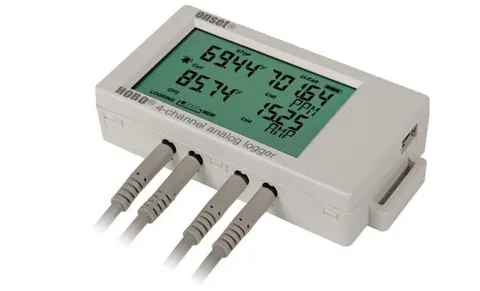
Onset HOBO
₹28,000 – ₹40,000indicative
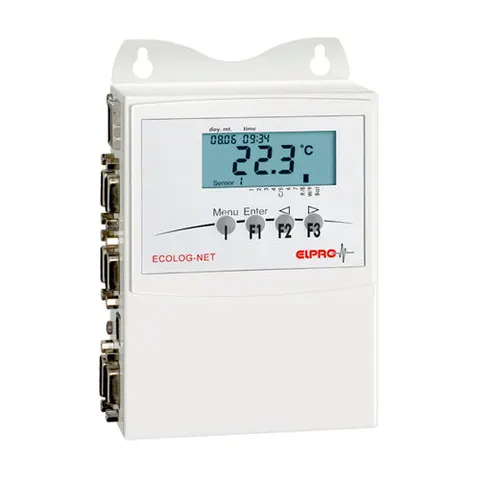
ELPRO
₹35,000 – ₹70,000indicative
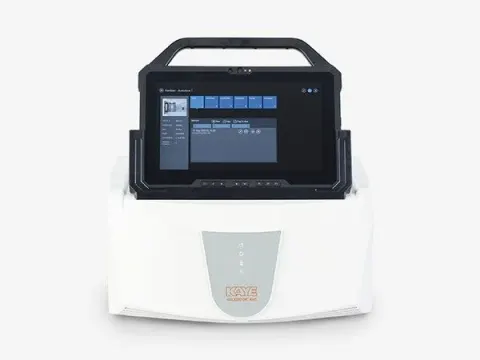
Kaye
₹8,00,000 – ₹15,00,000indicative
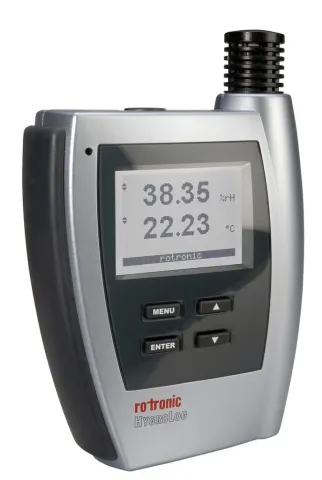
Rotronic
₹60,000 – ₹1,00,000indicative
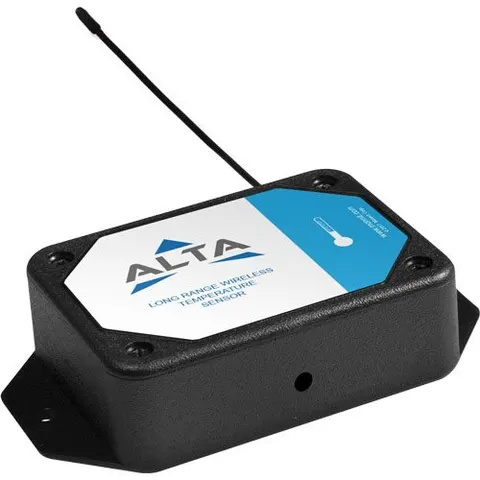
Monnit
₹6,000 – ₹10,000indicative
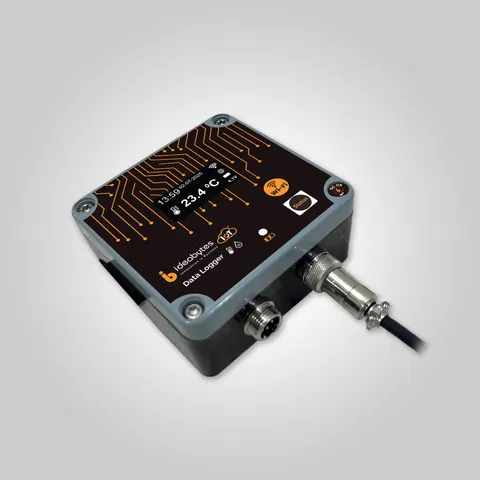
Ideabytes
₹12,000 – ₹20,000indicative
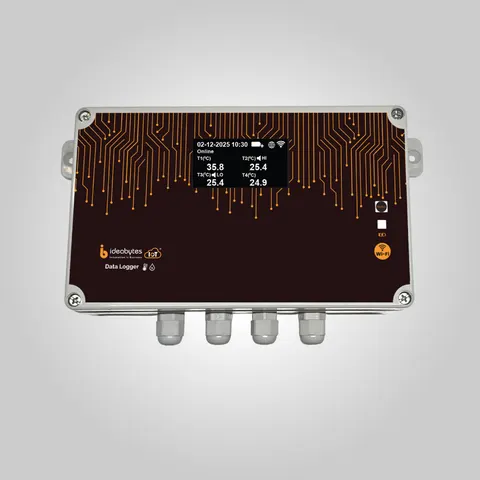
Ideabytes
₹38,000 – ₹65,000indicative
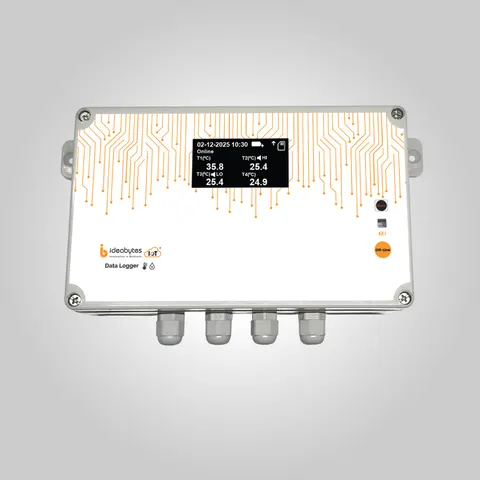
Ideabytes
₹30,000 – ₹50,000indicative
Individual loggers work well for a fridge or a shipment. A multi-point system makes sense when:
Sensors at every point. Temperature (and often humidity, door or other) sensors are placed in each freezer, room or zone. Some connect by cable, others wirelessly.
Gateways or direct connection. Wireless sensors send data to a local gateway, or directly over Wi‑Fi or 4G. Wired systems connect to a central controller.
Central platform. All readings go to one platform, either cloud-hosted or installed on your own server, with live dashboards, floor plans and history.
Alarms and escalation. Each point has its own limits. When one is breached, the system alerts the responsible person, then escalates if nobody responds.
Reports and audit trail. Scheduled reports, alarm logs and audit trails are generated automatically for QA and regulatory inspections.
| Aspect | Wired system | Wireless system |
|---|---|---|
| Installation | Cabling to every point; more disruption | Quick, minimal cabling |
| Reliability | Very stable, no radio issues | Depends on signal, gateways and batteries |
| Flexibility | Hard to move or add points | Easy to add or relocate sensors |
| Power | Mains-powered sensors | Battery sensors (check replacement interval) |
| Best for | New builds, critical cleanrooms, fixed layouts | Existing buildings, warehouses, multi-site rollouts |
Many facilities combine both: wired sensors in cleanrooms and critical production areas, wireless sensors for freezers, warehouses and remote sites.
Cloud platforms are quicker to set up, accessible from anywhere, and easy to scale across sites. You pay a recurring subscription, and data is hosted by the provider.
On-premise software runs on your own servers, which some pharma companies prefer for data control and IT policy. It needs IT support, backups and system validation in-house.
Whichever you choose, check data encryption, backups, user access control, and whether you can export all data if you change providers.
List every freezer, fridge, cold room, warehouse zone and room that needs monitoring. For warehouses and cold rooms, use temperature mapping results to decide where permanent sensors go. See temperature mapping data loggers.
Most points need temperature; storage areas often need humidity; cleanrooms may need differential pressure; incubators may need CO2. Door sensors help explain excursions.
For each area, define who gets alerted first, how long before escalation, and who's next, across day, night and weekend shifts. A good system makes this easy to configure and test.
Sensors and gateways should buffer data during outages and alert you if they go offline. Critical areas may need UPS-backed gateways or 4G backup.
For GMP use, the monitoring system itself needs qualification (IQ/OQ/PQ) and computer system validation. Ask suppliers for validation documentation and support.
Choose a system that can add sensors, rooms and sites without replacing the platform.
Check how many sensors each gateway and account supports, and the cost of adding more.
Look for temperature, humidity and probe sensors for freezers, plus door, differential pressure or CO2 sensors if you need them.
For pharma, look for 21 CFR Part 11 and EU GMP Annex 11 support: audit trails, electronic signatures, user roles, and data that can't be altered.
SMS, email, app, phone call and local hooters, with escalation, acknowledgement with comments, and alarm delays to avoid false alarms when doors open briefly.
Floor plan views show exactly where a problem is, which helps in large facilities.
Check how sensors are calibrated: on site, by sending them to a lab, or by swapping pre-calibrated probes, and how much downtime that causes.
APIs or SNMP/BMS integration let monitoring data flow into building management, ERP or quality systems.

Pharma manufacturing plants: production areas, cleanrooms, QC labs and storage.
Pharma warehouses and distributors: large storage areas with many zones and cold rooms.
Hospitals: pharmacy, blood bank, lab, vaccine and ward fridges across the building.
Blood banks: blood refrigerators, plasma freezers and platelet incubators.
Research and clinical labs: banks of ultra-low freezers, incubators and stability chambers.
Pharmacy and retail chains: many stores monitored from one central dashboard.
Food processing and cold storage: multiple chillers, freezers and process areas.
Data centers: rack-level monitoring across rows. See server room temperature monitoring.
On this site, multi-point monitoring systems range from about ₹6,000 to ₹15,00,000 per unit or system.
Total cost depends on more than the hardware, so compare cost per monitoring point over 3–5 years:
Tell us how many points, rooms and sites you need to monitor for the best price.
Browse multi-point systems by brand.
Monitoring
Temperature ranges, sensor placement, alarms, defrost cycles and choosing the right monitoring system.
Mapping and validation
How to plan, run and report a temperature mapping study for warehouses, cold rooms, freezers and fridges.
A multi-point temperature monitoring system connects many sensors across freezers, rooms, zones or sites to one platform. It shows live readings on a central dashboard, sends alarms with escalation when limits are crossed, and generates automatic reports and audit trails for compliance.
A data logger records conditions at one point, often for later download. A monitoring system links many sensors to one platform with live data, central alarms, escalation, user management and compliance reporting across a whole facility or several sites.
It varies by system. Small systems handle a few dozen points, while enterprise platforms can manage hundreds or thousands of sensors across many sites. Check gateway capacity and the cost of adding sensors as you grow.
Wired systems are very stable and suit new builds and critical cleanrooms. Wireless systems are faster to install, easier to expand and better for existing buildings, warehouses and multi-site rollouts. Many facilities use a combination.
Yes, for GMP use. The system needs installation, operational and performance qualification (IQ/OQ/PQ) and computer system validation, including checks of its software, alarms and audit trail. Ask suppliers for validation documentation.
Cloud software is faster to deploy, accessible anywhere and easy to scale, with a recurring fee. On-premise software keeps data on your own servers, which some companies require, but needs in-house IT support and validation.
An alarm escalation matrix defines who is alerted first for each area, how long the system waits for acknowledgement, and who is alerted next, across different shifts and days. It makes sure every alarm reaches someone who can act.
Multi-point monitoring systems listed on this site range from about ₹6,000 to ₹15,00,000 per unit or system. Total cost depends on the number of points, sensors, software model, installation, validation and calibration, so compare cost per monitoring point over several years.
Tell us how many points, rooms and sites you need to monitor, and we'll recommend the right setup and send a quote.