- Wireless
- Multi-point
- Temp + humidity
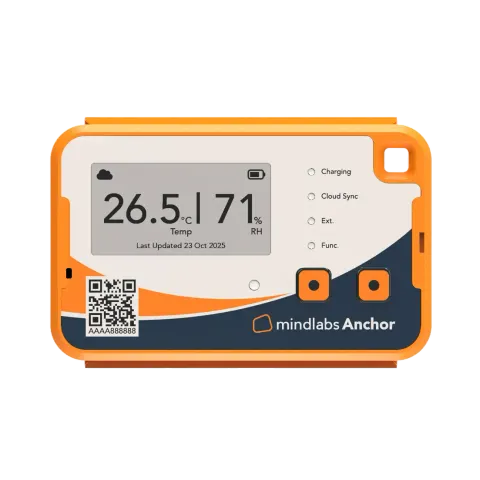
Mindlabs
Mindlabs Anchor
- Range
- -30 to +70°C, 0–100 %RH (probe: -200 to +200°C)
- Accuracy
- ±0.5°C, ±3 %RH
- Connectivity
- 4G CAT-1 + 2G, Wi‑Fi, Mindlabs Cloud
- Use
- Reusable
₹20,000 – ₹24,999
Wireless temperature monitoring systems keep a live, continuous record of every fridge, freezer, cold room and warehouse zone, and notify the right person as soon as conditions drift, day or night. Below you'll find Wi‑Fi, 4G, LoRa and Bluetooth models from Mindlabs, Testo, Elitech, Ideabytes and more, with full specifications and indicative prices in INR. Wireless data loggers are also called Wi-Fi data loggers, remote temperature monitors or wireless data logging systems. Options include Wi-Fi temperature data loggers, 4G and LoRa loggers for sites without Wi-Fi, and Bluetooth data loggers that send temperature and humidity to a phone or gateway.
What is a wireless temperature data logger?
A wireless temperature data logger is a device that measures temperature, and often humidity, at regular intervals and sends each reading automatically over Wi‑Fi, 4G, LoRa or Bluetooth to a cloud dashboard. It alerts your team the moment conditions go out of range, with no manual downloads.
54 models · 18 brands · indicative ₹3,000 to ₹2,00,000
Mindlabs
₹20,000 – ₹24,999
Testo
₹12,000 – ₹18,000indicative
Testo
₹14,000 – ₹22,000indicative
Frigga
₹3,500 – ₹6,000indicative
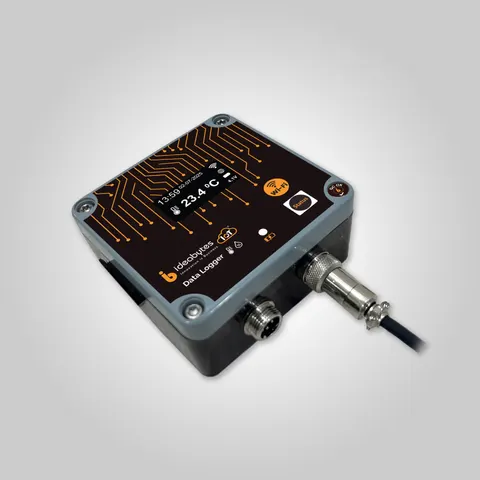
Ideabytes
₹9,000 – ₹15,000indicative
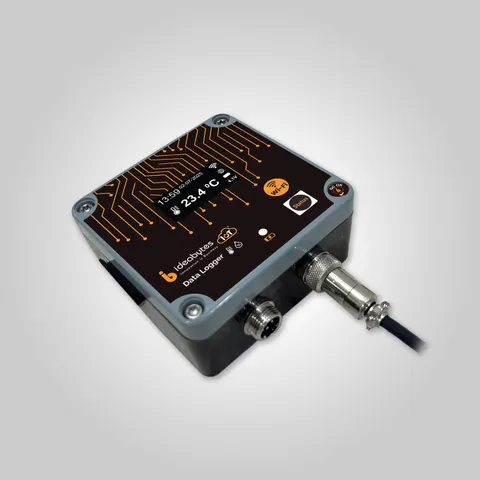
Ideabytes
₹12,000 – ₹20,000indicative
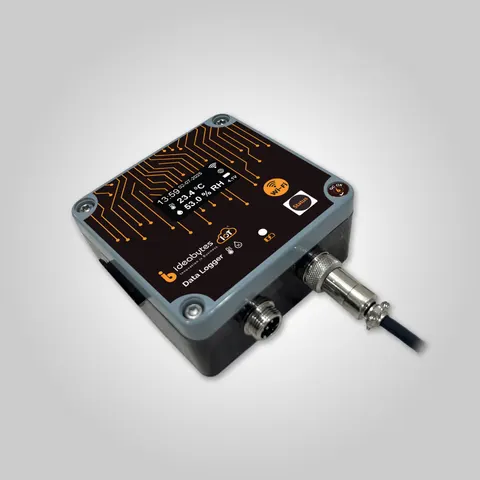
Ideabytes
₹11,000 – ₹18,000indicative
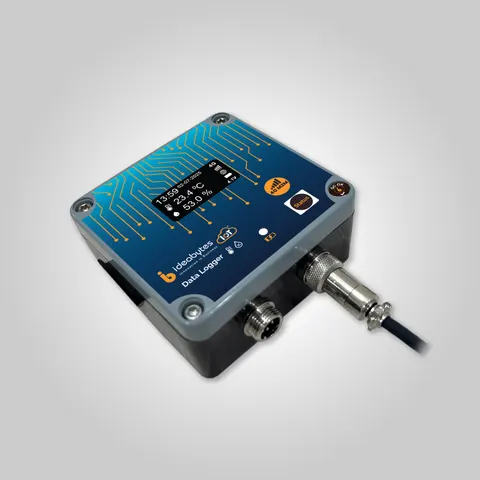
Ideabytes
₹14,000 – ₹22,000indicative
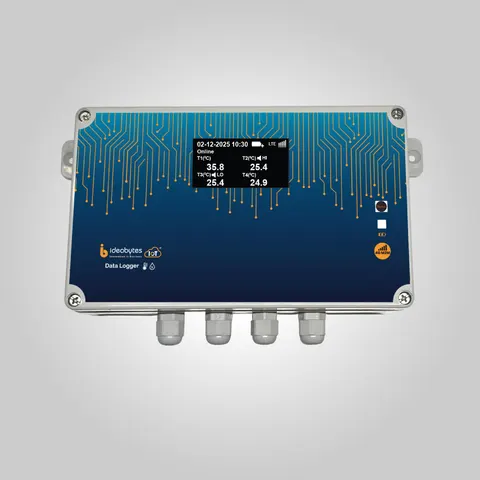
Ideabytes
₹40,000 – ₹70,000indicative
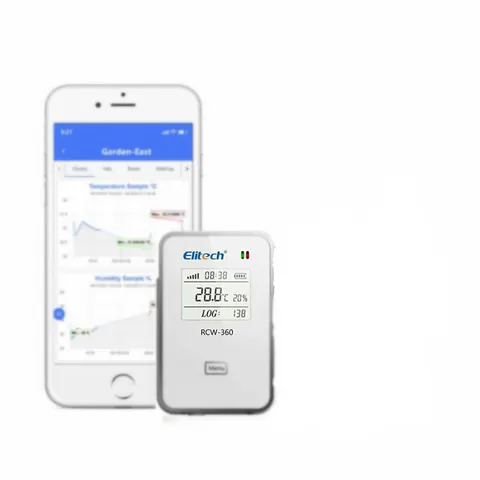
Elitech
₹6,000 – ₹10,000indicative
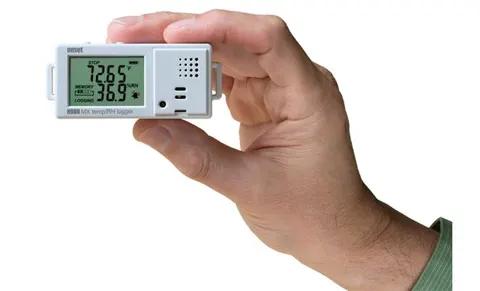
Onset HOBO
₹15,000 – ₹22,000indicative
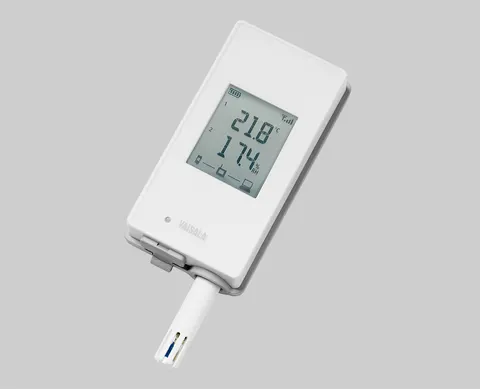
Vaisala
₹35,000 – ₹60,000indicative
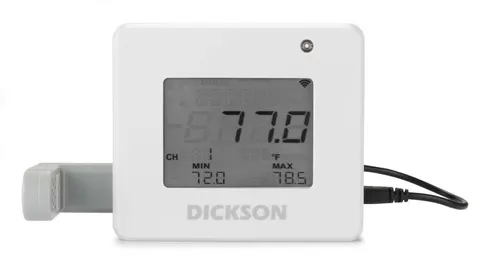
Dickson
₹20,000 – ₹32,000indicative
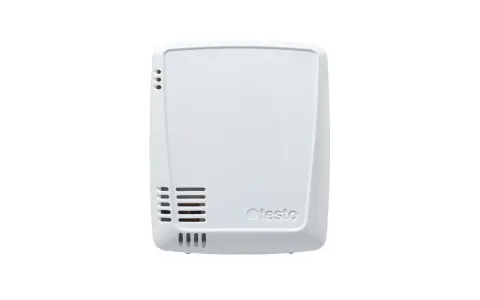
Testo
₹15,000 – ₹22,000indicative
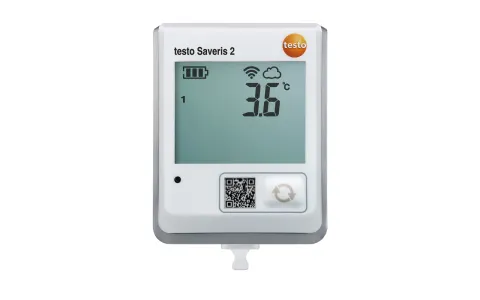
Testo
₹9,000 – ₹14,000indicative
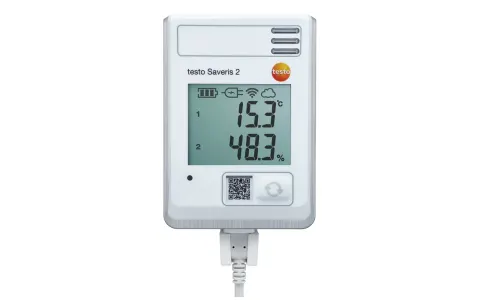
Testo
₹14,000 – ₹20,000indicative
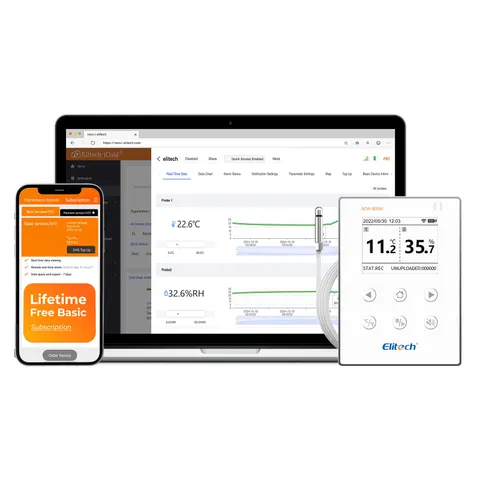
Elitech
₹5,000 – ₹8,000indicative
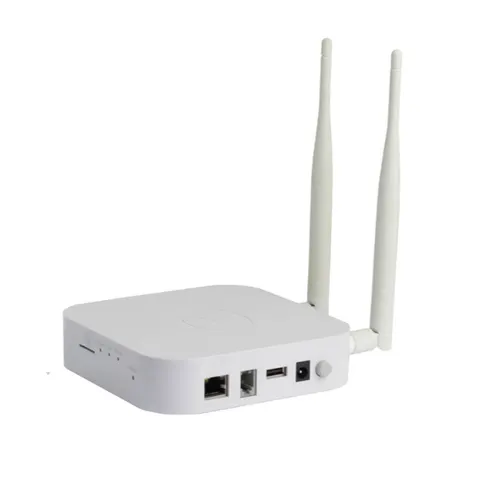
Elitech
₹9,000 – ₹15,000indicative
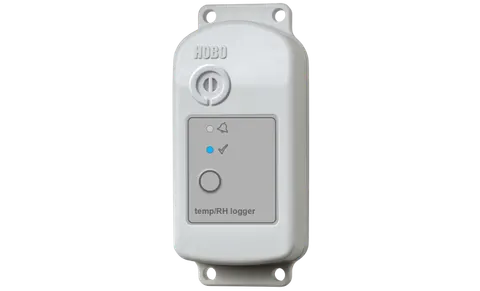
Onset HOBO
₹18,000 – ₹26,000indicative
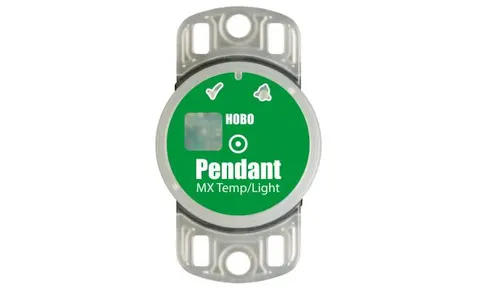
Onset HOBO
₹9,000 – ₹14,000indicative
Onset HOBO
₹15,000 – ₹22,000indicative
Lascar
₹9,000 – ₹14,000indicative
Dickson
₹22,000 – ₹35,000indicative
ELPRO
₹35,000 – ₹70,000indicative
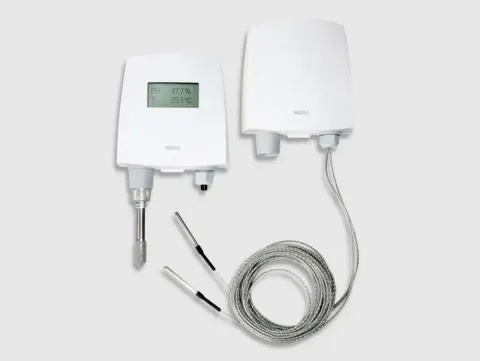
Vaisala
₹45,000 – ₹70,000indicative
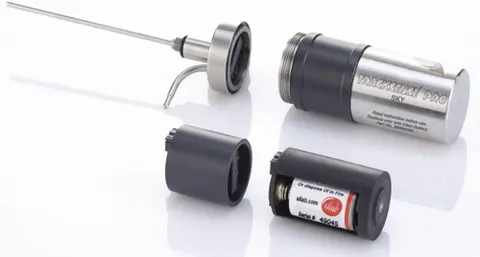
Ellab
₹1,20,000 – ₹2,00,000indicative
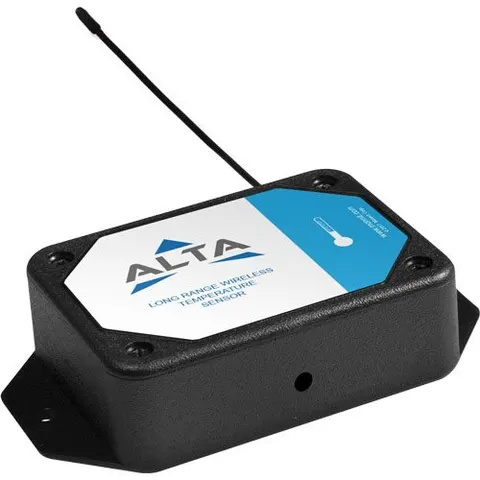
Monnit
₹6,000 – ₹10,000indicative
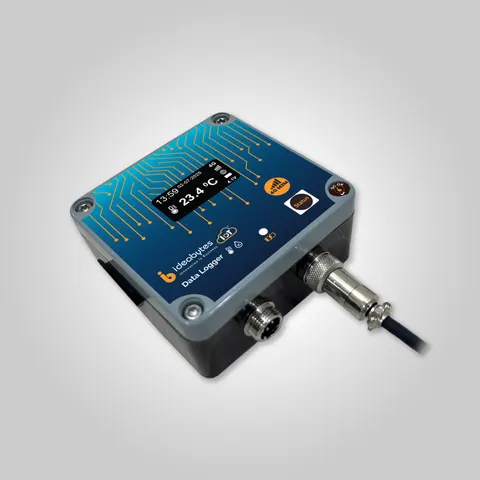
Ideabytes
₹12,000 – ₹20,000indicative
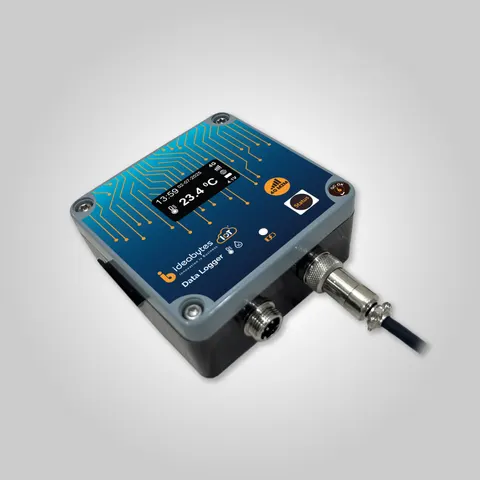
Ideabytes
₹14,000 – ₹24,000indicative
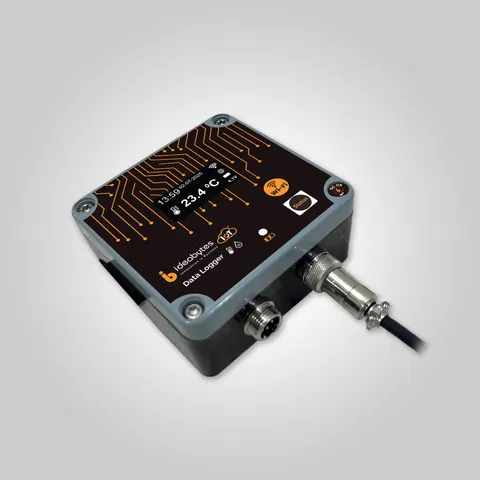
Ideabytes
₹12,000 – ₹20,000indicative
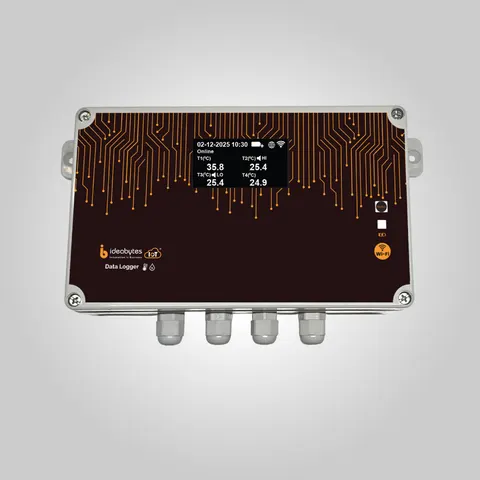
Ideabytes
₹38,000 – ₹65,000indicative
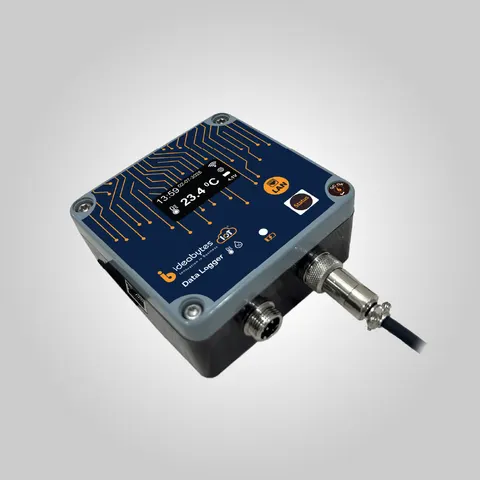
Ideabytes
₹11,000 – ₹18,000indicative
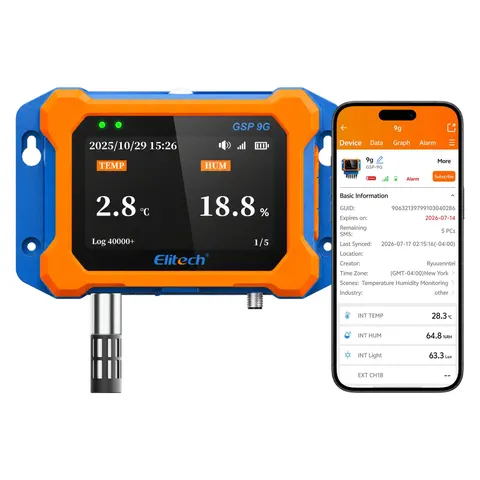
Elitech
₹10,350indicative
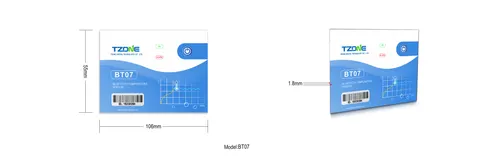
Tzone
₹3,000 – ₹5,000indicative
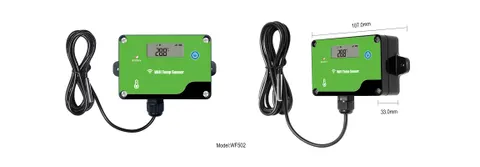
Tzone
₹5,000 – ₹8,000indicative
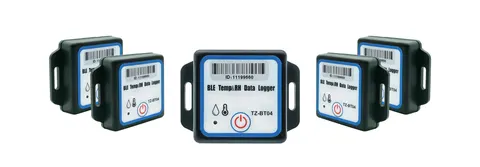
Tzone
₹4,550indicative
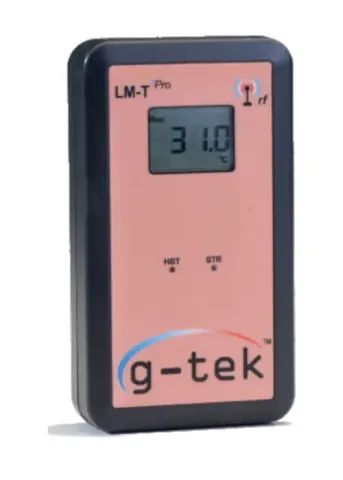
G-Tek
₹6,000 – ₹10,000indicative
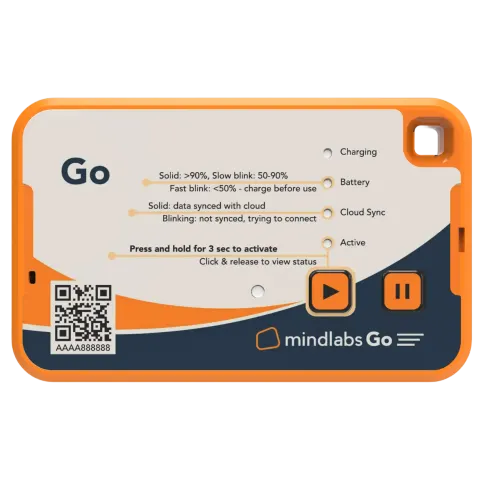
Mindlabs
Starting at ₹12,499
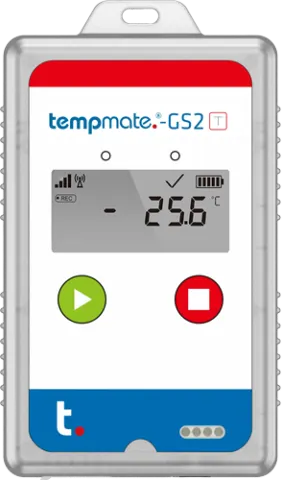
Tempmate
₹6,000 – ₹12,000indicative
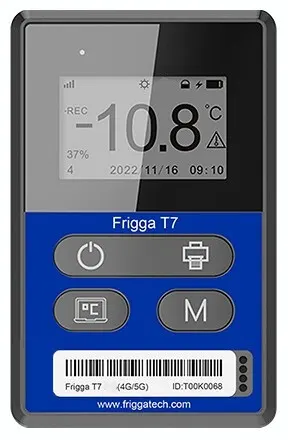
Frigga
₹8,000 – ₹14,000indicative
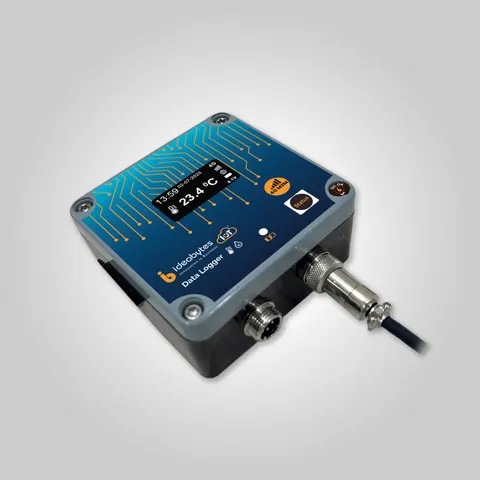
Ideabytes
₹15,000 – ₹25,000indicative
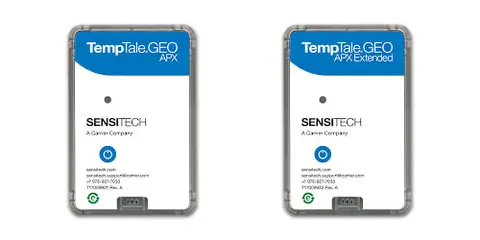
Sensitech
₹6,000 – ₹12,000indicative
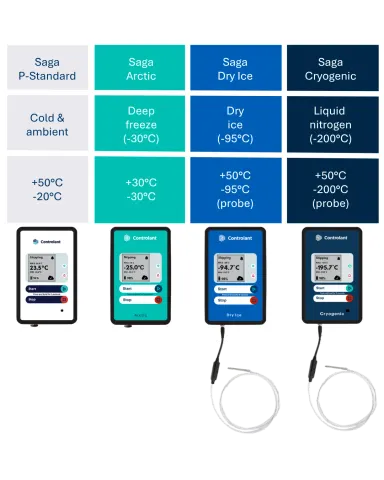
Controlant
₹5,000 – ₹10,000indicative
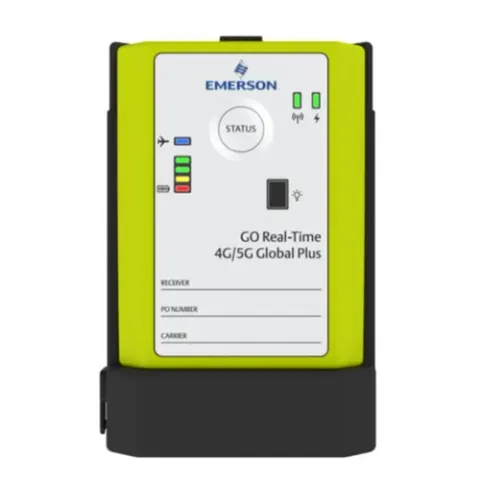
Copeland
₹5,000 – ₹10,000indicative
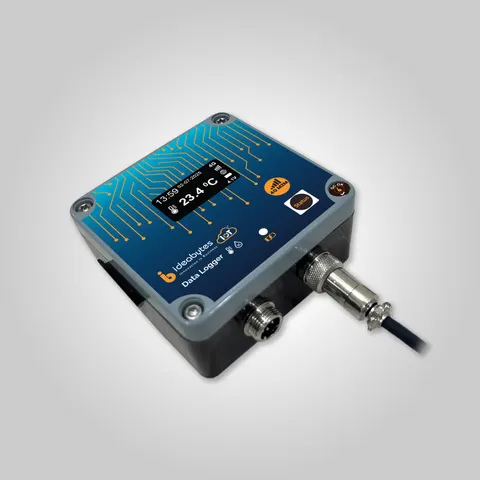
Ideabytes
₹12,000 – ₹20,000indicative
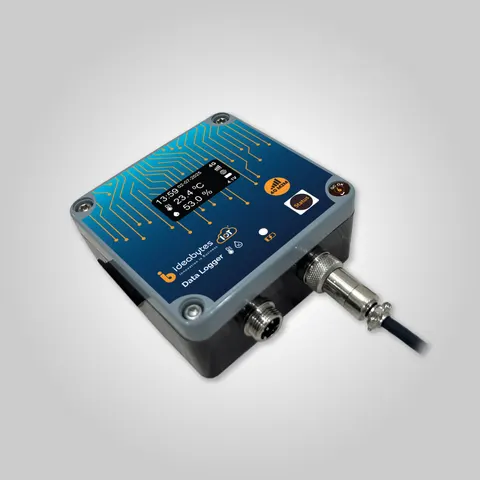
Ideabytes
₹16,000 – ₹26,000indicative
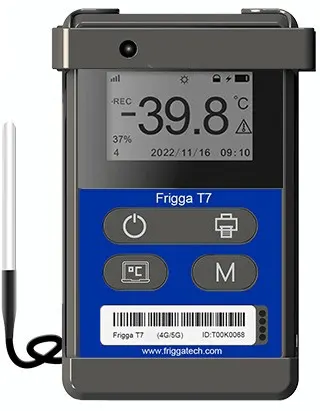
Frigga
₹9,000 – ₹15,000indicative
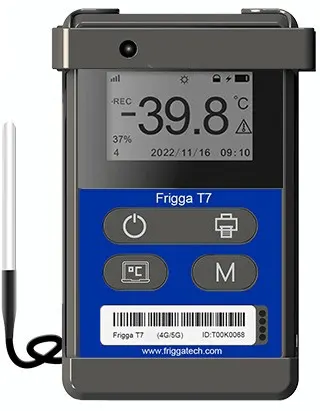
Frigga
₹12,000 – ₹20,000indicative
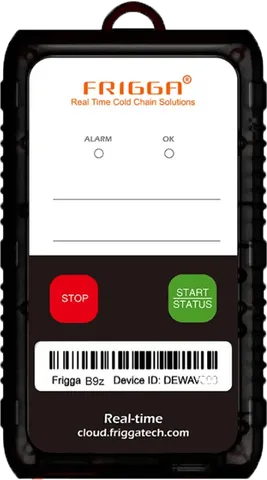
Frigga
₹3,500 – ₹6,000indicative
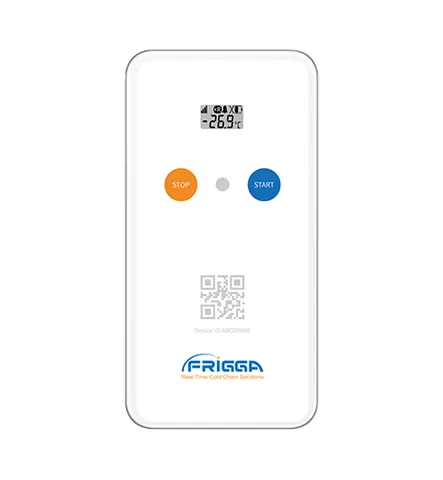
Frigga
₹3,500 – ₹6,000indicative
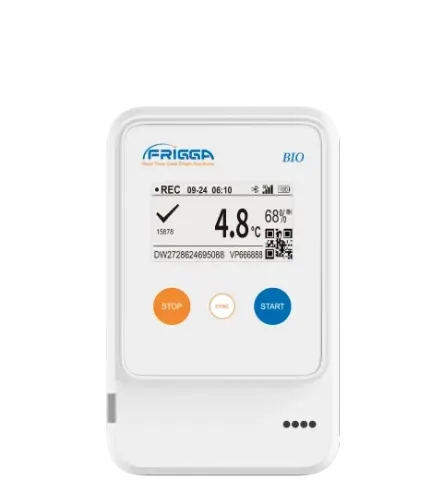
Frigga
₹6,000 – ₹10,000indicative
Tzone
₹9,900indicative
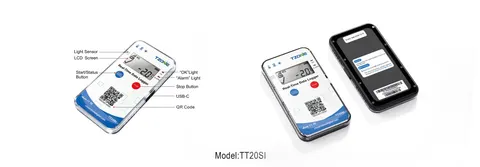
Tzone
₹3,500 – ₹6,000indicative
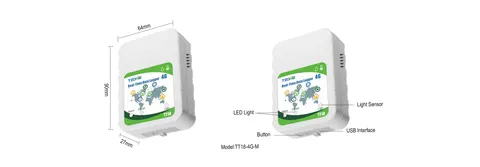
Tzone
₹9,500indicative
Not sure where to start? These wireless loggers are well-established options in India, each suited to a different kind of buyer. Picks are based on connectivity, alerts, accuracy, outage handling, software, compliance options and availability in India. Specifications come from manufacturer information and prices are indicative, so confirm both before buying.
| Best for | Model | Connectivity | Indicative price |
|---|---|---|---|
| Cloud monitoring from a global brand | Testo Saveris 2 | Wi‑Fi, cloud | ₹9,000 – ₹22,000 |
| Made-in-India 4G and Wi‑Fi monitoring with Part 11 | Mindlabs Anchor | 4G CAT-1 + 2G, Wi‑Fi, Mindlabs Cloud | ₹20,000 – ₹24,999 |
| Budget Wi‑Fi monitoring | Elitech RCW-360 | Wi‑Fi, cloud | ₹6,000 – ₹10,000 |
| Made-in-India Wi‑Fi with Part 11 reports | Ideabytes IBI-WT120 | Wi‑Fi, cloud, 21 CFR Part 11 reports | ₹9,000 – ₹15,000 |
| Sites without Wi‑Fi | Ideabytes IBI-MTH120 | 4G LTE Cat1, M2M SIM | ₹14,000 – ₹22,000 |
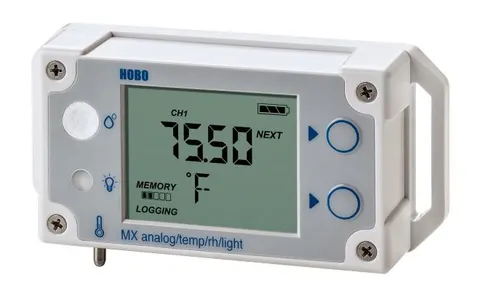
| Phone-based Bluetooth logging | Onset HOBO MX1101 | Bluetooth | ₹15,000 – ₹22,000 |
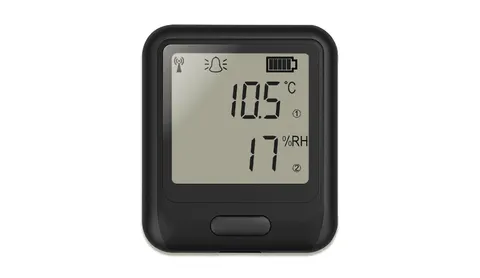
| Simple Wi‑Fi temperature and humidity | Lascar EL-WiFi-TH | Wi‑Fi, EasyLog Cloud | ₹9,000 – ₹14,000 |
| Enterprise and validated environments | Vaisala RFL100 | Wireless (VaiNet), viewLinc | ₹35,000 – ₹60,000 |
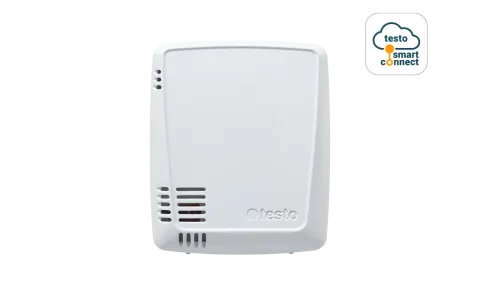
A Wi‑Fi logger family that sends readings to Testo's cloud, with models for temperature (2-T1), temperature and humidity (2-H1) and thermocouple probes (2-T3). Good for labs and food businesses that want an established brand. Check whether cloud features need a subscription.
A Hyderabad-made multi-sensor logger that streams to the Mindlabs Cloud over 4G with 2G fallback, or over Wi‑Fi, so it works with or without building Wi‑Fi. It is 21 CFR Part 11 compliant, ships with a calibration certificate, supports an external PT-100 probe (-200 to +200°C) for freezers and cold rooms, and integrates with ERP, WMS and TMS systems through its API.
An affordable Wi‑Fi temperature and humidity logger with cloud access and alerts. A common starting point for single fridges, small pharmacies and stores. Check compliance documentation if you work in a regulated environment.
A Hyderabad-made Wi‑Fi logger with a -50 to +120°C range, cloud access and 21 CFR Part 11 report support. Suits Indian pharma and healthcare sites that want local manufacturing and support.
A temperature and humidity logger that connects over 4G LTE with an M2M SIM, so it works without building Wi‑Fi. Good for warehouses and remote cold stores. SIM data plans add a recurring cost.
A high-accuracy temperature and humidity logger that connects to a phone or tablet over Bluetooth. Good for labs where staff check readings nearby. For remote alerts, it needs a gateway.
A straightforward Wi‑Fi logger that sends temperature and humidity to EasyLog Cloud. Good for offices, server rooms and archives. Check cloud plan limits for the number of sensors you need.
A wireless logger that works with Vaisala's viewLinc software, built for regulated life-science sites, with accuracy depending on the probe fitted. Good for large pharma, biotech and hospital rollouts, at a premium price.
Still unsure? Tell us what you're monitoring and how many locations, and we'll suggest the right fit.
Every wireless monitoring system has four parts working together:
Sensors and loggers. Placed inside or on the equipment you're monitoring, they measure temperature (and often humidity) at a set interval, typically every 1 to 15 minutes, and store each reading with a timestamp.
Connectivity. Readings are sent over Wi‑Fi, 4G or 2G cellular, LoRa, Bluetooth or Ethernet, either directly from the logger or through a gateway that collects data from many sensors.
Cloud platform or software. Data lands on a dashboard you can open on a computer or phone, showing live readings, graphs, history and alarm logs for every location.
Alerts. When a reading crosses a threshold you've set, the system notifies your team by SMS, email, app notification or an on-site buzzer, so someone can act before stock is lost.
Most loggers also keep readings in internal memory, so if the network drops, data is stored locally and uploaded when the connection returns. This buffering is essential for complete, audit-ready records.
| Feature | Wireless data logger | USB data logger |
|---|---|---|
| Data access | Live, from anywhere | Only after plugging into a PC |
| Alerts | Instant SMS, email, app | None (or LED/display on the device) |
| Response to excursions | Minutes | Discovered after the fact |
| Manual work | None after setup | Download and file reports regularly |
| Best for | Fixed storage, 24/7 monitoring | Shipments, low-cost spot monitoring |
| Typical cost | Higher, plus possible subscription | Lower, usually one-time |
If losing a fridge of vaccines overnight would be a serious problem, wireless monitoring pays for itself. For one-way shipments where nobody can act during transit anyway, a USB data logger or single-use logger is often enough.
| Connectivity | Range | Needs | Best for | Watch out for |
|---|---|---|---|---|
| Wi‑Fi | Building Wi‑Fi coverage | Existing Wi‑Fi network | Offices, labs, pharmacies, server rooms | IT approval, weak signal in cold rooms, outages |
| 4G / 2G cellular | Anywhere with mobile network | SIM / data plan | Remote sites, warehouses, sites without IT support | Recurring data cost, weak signal in basements |
| LoRa | Long range, through walls | A gateway | Large warehouses, campuses, many sensors | Gateway setup |
| Bluetooth (BLE) | Short range | Phone, tablet or gateway nearby | Pharmacies, small stores, last-mile delivery | Limited range; not truly remote without a gateway |
| Ethernet | Wired | Network port | Data centers, fixed installations | Cabling needed |
Look for high and low limits per sensor, a pre-alarm warning before the critical limit, and escalation: if the first person doesn't acknowledge an alert within a set time, it moves to the next person. This prevents missed alarms at night and on weekends.
Check that the logger has a battery backup, sends a power failure alert, and keeps logging to internal memory during network outages, then uploads the backlog automatically.
For pharma and vaccine storage, aim for ±0.5°C or better. Ask for a traceable NABL or ISO 17025 calibration certificate, and check how recalibration works: some systems let you swap a calibrated probe instead of removing the whole unit.
For regulated storage, the software should support 21 CFR Part 11 and EU GMP Annex 11 requirements: unique user logins, audit trails of every change, electronic signatures and records that can't be edited.
You should be able to see all locations on one screen, export PDF and CSV reports, and schedule daily or weekly reports by email for QA records.
Check how many sensors one gateway or account supports, and whether you can add sites later without changing systems. A multi-point monitoring system is easier to manage for large facilities.
Ask where data is hosted, whether it's encrypted, how long it's retained, and whether you can export everything if you change providers.
If you use ERP, WMS or TMS software, an API lets temperature records flow into those systems automatically.
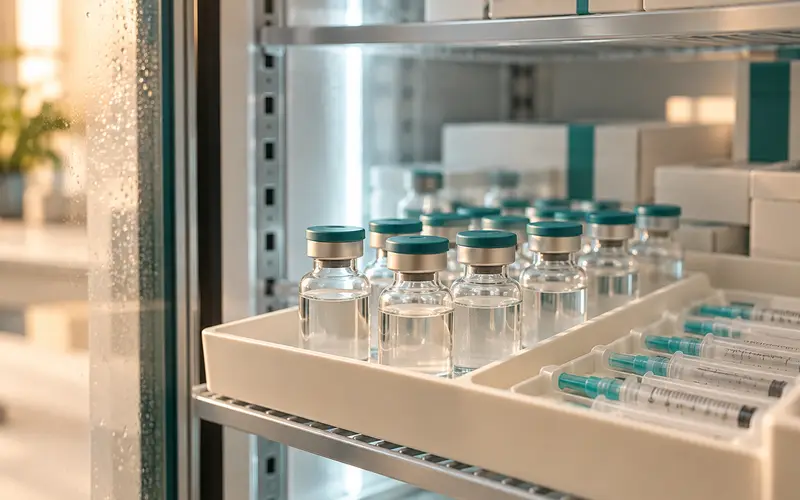
Pharma warehouses and distributors: continuous monitoring of storage areas for GDP compliance and audits.
Vaccine and medicine refrigerators: 2–8°C fridges in hospitals, clinics and pharmacies, where an overnight excursion can mean discarding stock.
Blood banks and plasma storage: refrigerators and -40°C freezers with strict monitoring requirements.
Laboratories: incubators, reagent fridges, -80°C ultra-low freezers and stability chambers.
Cold storage and food: walk-in cold rooms, dairy chillers and frozen storage, supporting FSSAI and HACCP records.
Server rooms and data centers: temperature and humidity monitoring to protect IT equipment.
Multi-site chains: pharmacy, hospital and restaurant chains that need one view across many locations.
On this site, wireless temperature data loggers range from about ₹3,000 to ₹2,00,000, depending on connectivity, accuracy, number of channels and software.
When budgeting, look at the total cost, not just the device:
Tell us how many locations and sensors you need and we'll share the best price, including options that fit your budget.
Browse wireless models by brand.
Monitoring
Temperature ranges, sensor placement, alarms, defrost cycles and choosing the right monitoring system.
There's no single best logger for everyone. For regulated pharma sites, choose a system with 21 CFR Part 11 support, calibration certificates and alarm escalation. For a single fridge or small store, an affordable Wi‑Fi logger with app alerts is usually enough. Match the logger to your site, compliance needs and budget.
Bluetooth loggers send data to a nearby phone or gateway, but on their own they can't alert you remotely when nobody is nearby. For 24/7 remote alerts, use Wi‑Fi, 4G or LoRa, or add a Bluetooth gateway.
A wireless temperature data logger is a device that measures temperature at set intervals and sends the readings automatically over Wi‑Fi, cellular, LoRa or Bluetooth to a dashboard or app. It lets you see live conditions remotely and receive alerts instantly when temperature goes out of range, without downloading data manually.
You set high and low limits for each sensor. When a reading crosses a limit, the system sends an alert by SMS, email, app notification or on-site buzzer. Better systems add pre-alarms before the critical limit and escalation, which passes the alert to the next person if the first doesn't respond in time.
Most wireless data loggers keep recording to internal memory during an outage and upload the stored readings automatically once the connection returns, so there are no gaps in the record. Many systems also send an alert when a logger goes offline, so you know monitoring has been interrupted.
It depends on your site. Wi‑Fi works well where there's reliable building coverage and IT support. 4G is easier for warehouses and remote sites without IT infrastructure, but adds a data plan cost. For walk-in cold rooms, choose a model with an external probe so the logger and antenna stay outside the metal walls.
Many do. Cloud platforms often charge a monthly or yearly fee per sensor or per account for data storage, alerts and reports, and 4G models may also need a SIM data plan. Some systems include software in the purchase price. Always check the total cost over 3–5 years.
Some are. Compliance depends on the software, not just the hardware: it needs secure logins, audit trails, electronic signatures and tamper-proof records. Check each model's specifications, and for regulated use, ask the supplier for compliance and validation documentation.
It varies widely. A single Wi‑Fi logger monitors one location, while gateway-based systems can handle dozens or hundreds of sensors across a site. Multi-site cloud platforms can cover many buildings in one dashboard.
Wireless temperature data loggers listed on this site range from about ₹3,000 to ₹2,00,000. The final cost depends on connectivity, accuracy, number of channels, probes, calibration, and any software or data subscription.
Tell us how many locations and sensors you need, and we'll recommend the right setup and send a quote.