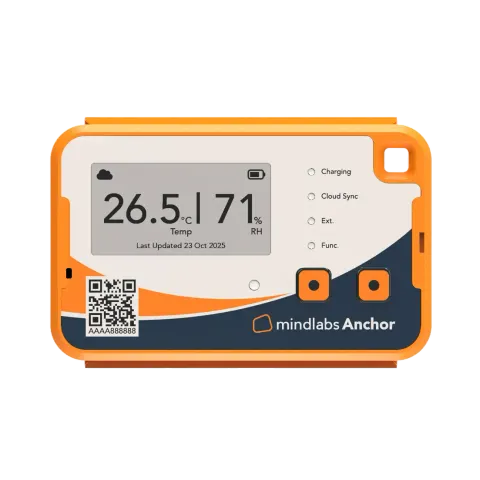
- Wireless
- Multi-point
- Temp + humidity
Mindlabs
Mindlabs Anchor
- Range
- -30 to +70°C, 0–100 %RH (probe: -200 to +200°C)
- Accuracy
- ±0.5°C, ±3 %RH
- Connectivity
- 4G CAT-1 + 2G, Wi‑Fi, Mindlabs Cloud
- Use
- Reusable
₹20,000 – ₹24,999
Some of the most critical temperatures happen where an ordinary logger can't go: inside a -80°C freezer, packed in dry ice, in a liquid nitrogen dewar, or deep inside a product or oven. Probe temperature data loggers solve this with an external sensor on a cable, so the probe measures the extreme while the logger stays safe. Explore thermocouple, Pt100 and thermistor probe loggers with full specs and indicative prices in INR. Probe data loggers are also called external probe loggers, dry ice data loggers or ultra-low temperature loggers. They use thermocouple, Pt100 (RTD) or thermistor probes, and include glycol-probe loggers for vaccine fridges.
What is a probe-based data logger?
A probe-based data logger measures temperature through an external thermocouple, Pt100 or thermistor probe, so the logger can stay outside places it can't survive, such as -80°C freezers, dry ice, liquid nitrogen, ovens and process equipment.
44 models · 15 brands · indicative ₹1,800 to ₹1,80,000
| Best for | Model | Key features | Indicative price |
|---|---|---|---|
| -200°C cryogenic | Tempod 200X | Pt100 (RTD) probe, USB, auto PDF | ₹9,000 – ₹14,000 |
| -100°C dry ice | Tempod 100X | Pt100 (RTD) probe, USB, auto PDF | ₹6,000 – ₹9,500 |
| -100°C to +100°C | Tempnote DI-100 | USB, 21 CFR Part 11, magnetic stand | ₹9,500 – ₹11,000 |
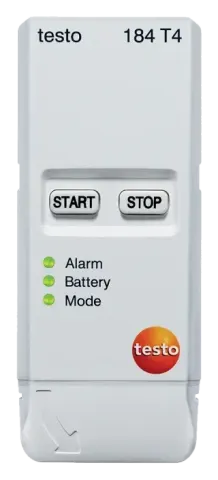
| -80°C dry ice | Testo 184 T4 | auto PDF | ₹10,000 – ₹15,000 |
| -85°C single-use | Elitech LogEt 6 PT | single-use, PDF | ₹8,550 |
| -200°C real-time | Frigga T72 Pro | 4G/5G, 120 days | ₹12,000 – ₹20,000 |
Mindlabs
₹20,000 – ₹24,999
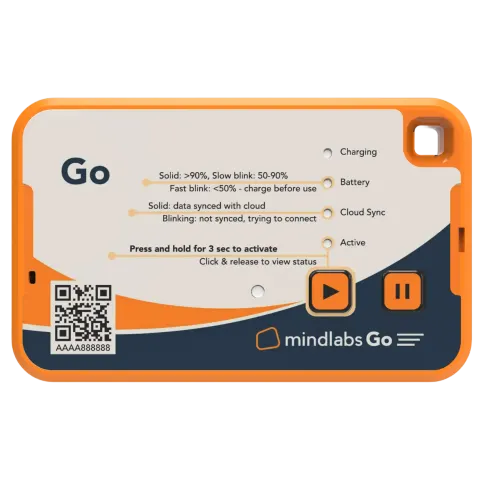
Mindlabs
Starting at ₹12,499
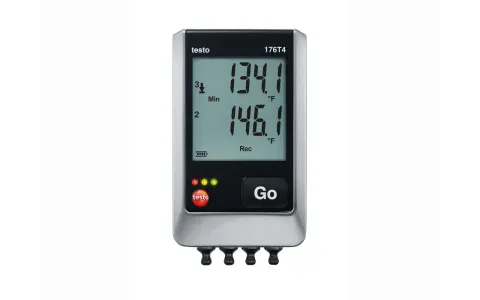
Testo
₹35,000 – ₹50,000indicative
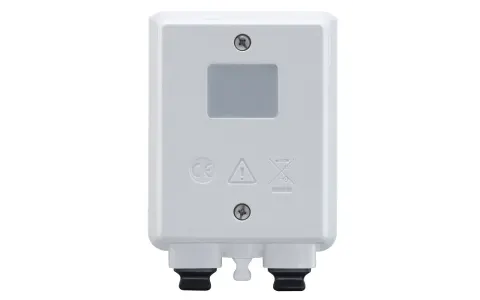
Testo
₹14,000 – ₹22,000indicative
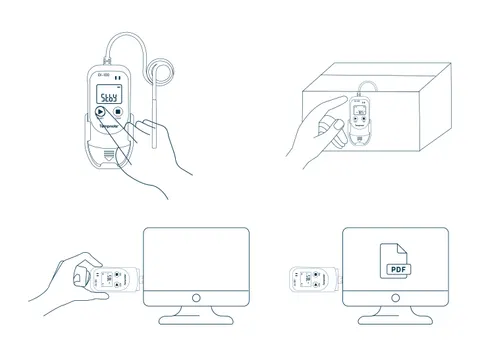
Tempnote
₹9,500 – ₹11,000indicative
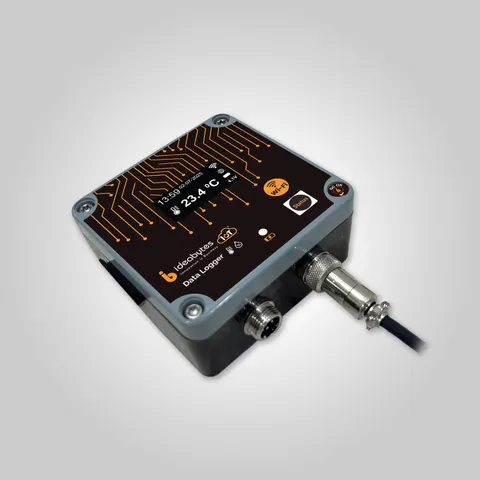
Ideabytes
₹12,000 – ₹20,000indicative
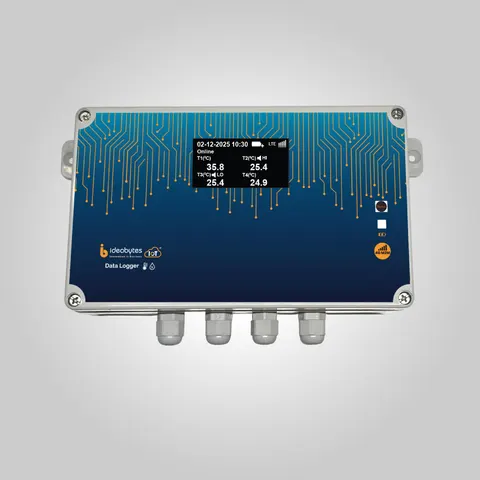
Ideabytes
₹40,000 – ₹70,000indicative
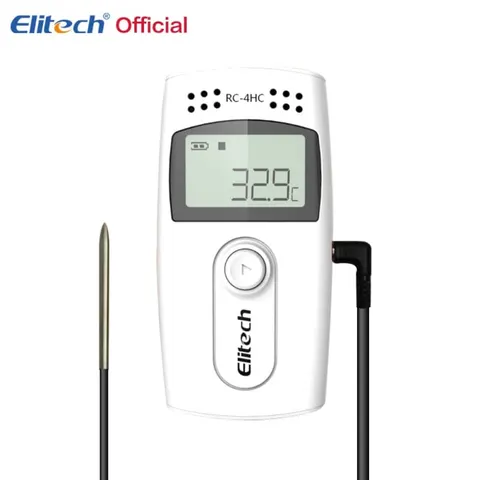
Elitech
₹2,500 – ₹4,000indicative
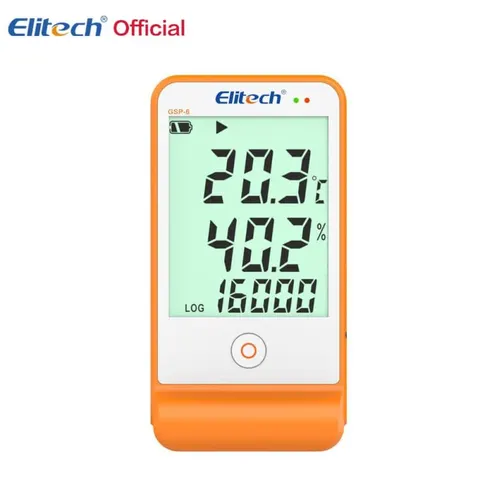
Elitech
₹5,000 – ₹8,000indicative
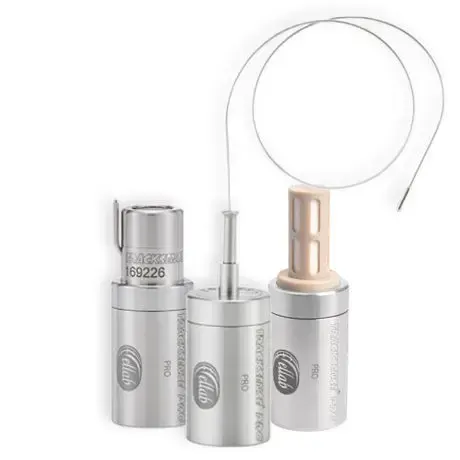
Ellab
₹80,000 – ₹1,50,000indicative
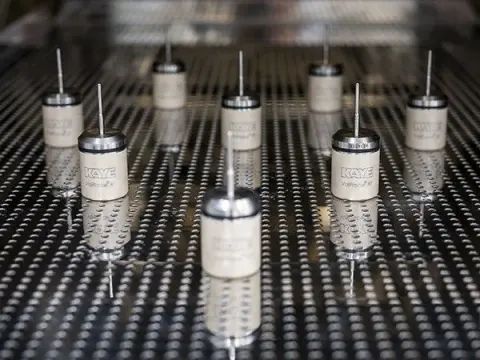
Kaye
₹90,000 – ₹1,80,000indicative
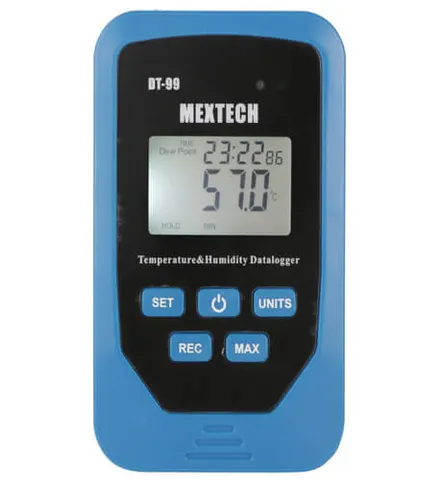
Mextech
₹2,500 – ₹4,500indicative
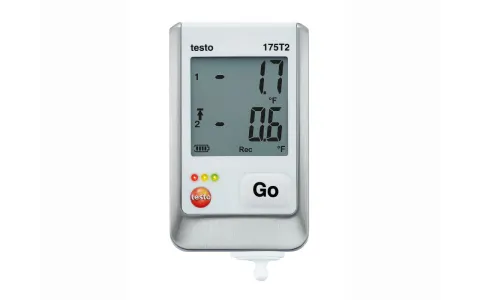
Testo
₹11,000 – ₹16,000indicative
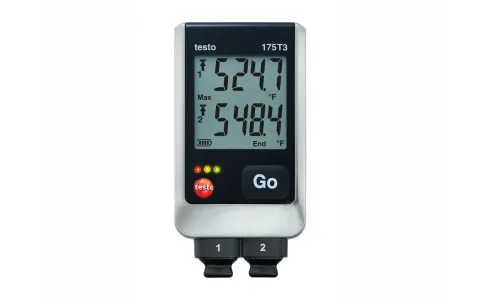
Testo
₹18,000 – ₹26,000indicative
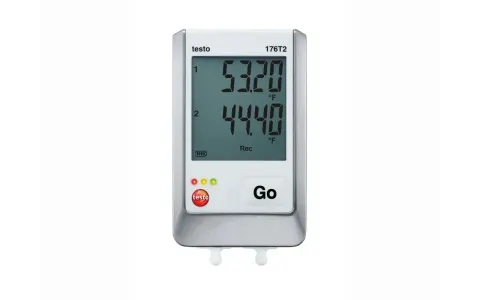
Testo
₹30,000 – ₹42,000indicative
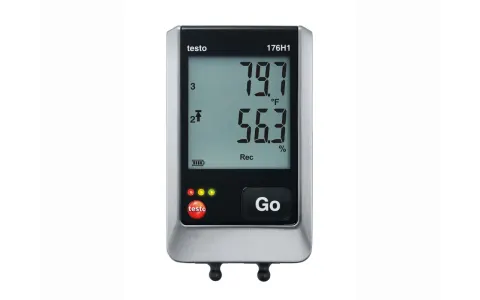
Testo
₹35,000 – ₹48,000indicative
Testo
₹10,000 – ₹15,000indicative
Testo
₹15,000 – ₹22,000indicative
Elitech
₹3,000 – ₹4,500indicative
Elitech
₹2,500 – ₹4,000indicative
Elitech
₹3,000 – ₹5,000indicative
Elitech
₹6,000 – ₹9,000indicative
Elitech
₹9,000 – ₹15,000indicative
Elitech
₹6,000 – ₹9,500indicative
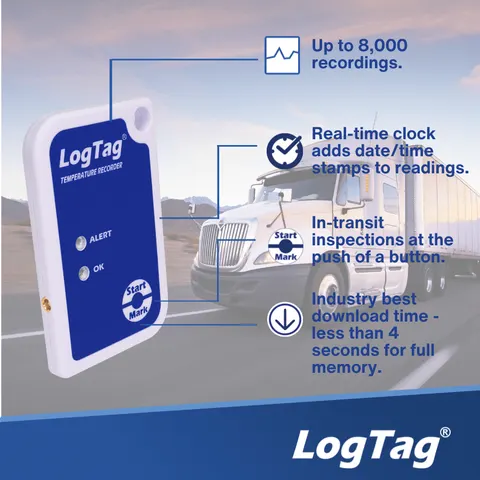
LogTag
₹4,000 – ₹6,000indicative
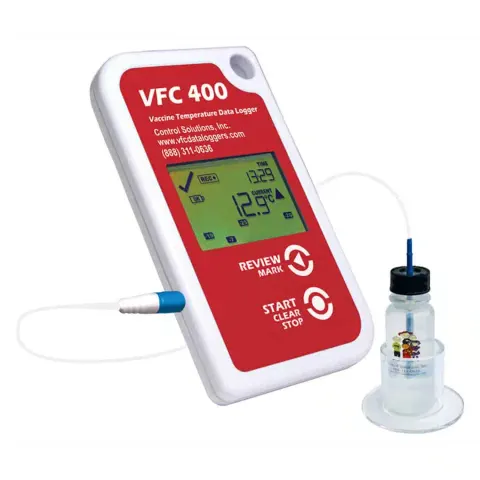
LogTag
₹8,000 – ₹12,000indicative
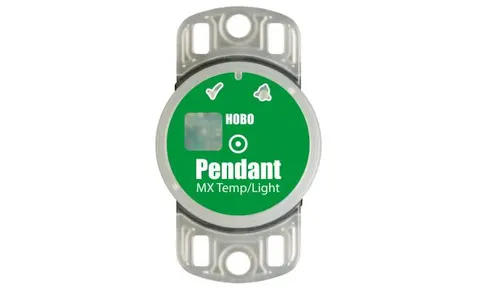
Onset HOBO
₹9,000 – ₹14,000indicative
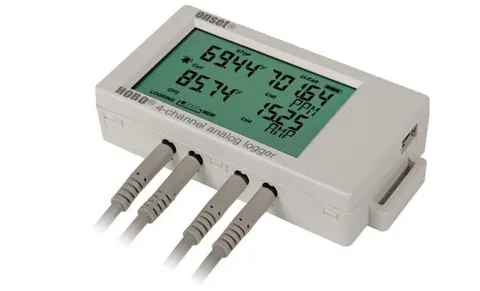
Onset HOBO
₹28,000 – ₹40,000indicative
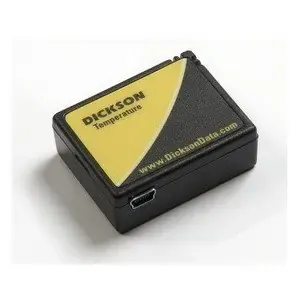
Dickson
₹20,000 – ₹30,000indicative
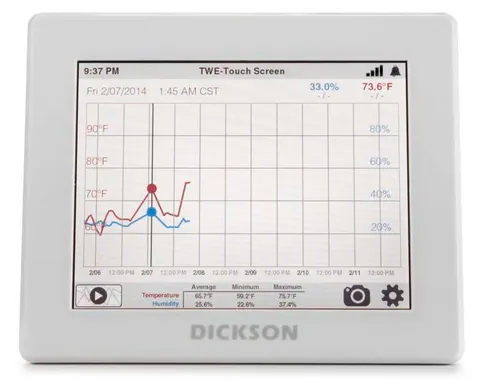
Dickson
₹22,000 – ₹35,000indicative
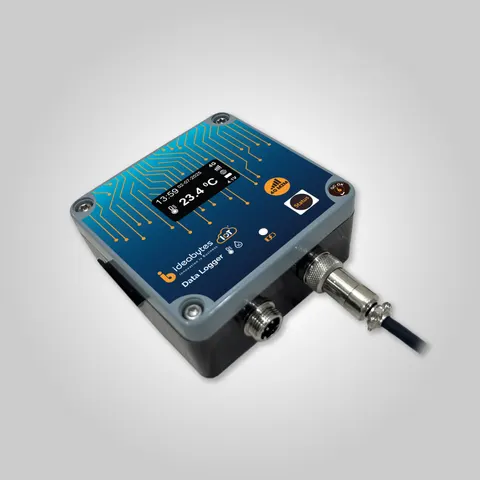
Ideabytes
₹14,000 – ₹24,000indicative
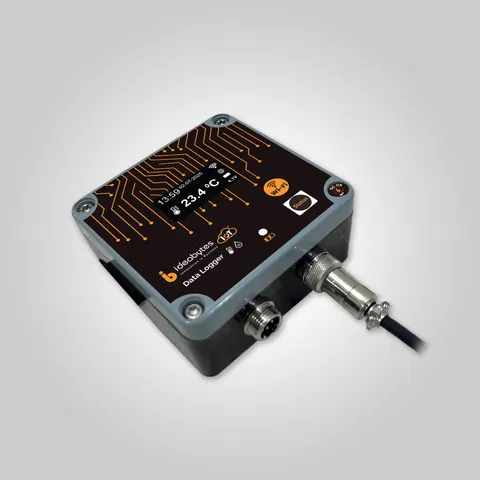
Ideabytes
₹12,000 – ₹20,000indicative
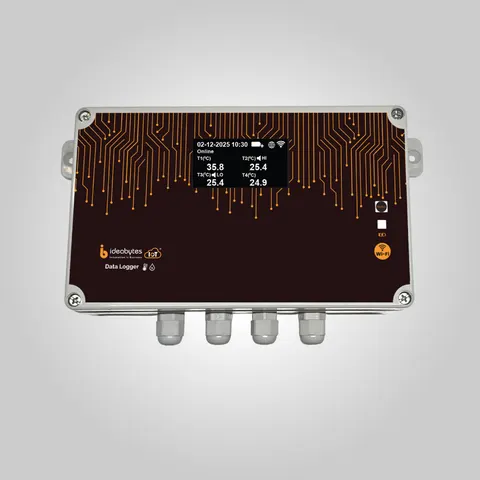
Ideabytes
₹38,000 – ₹65,000indicative
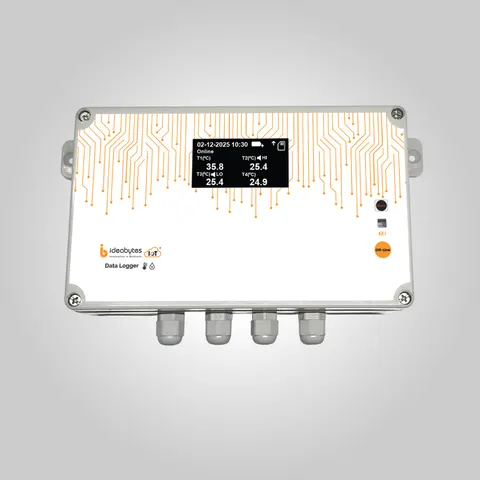
Ideabytes
₹30,000 – ₹50,000indicative
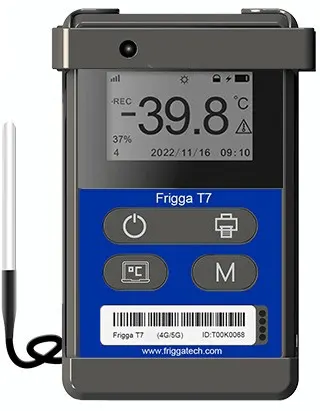
Frigga
₹12,000 – ₹20,000indicative
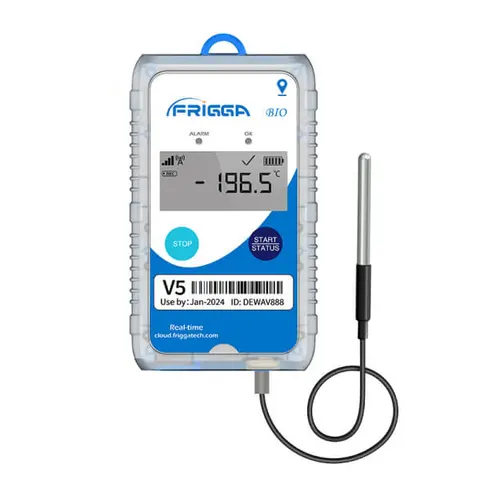
Frigga
₹6,000 – ₹10,000indicative
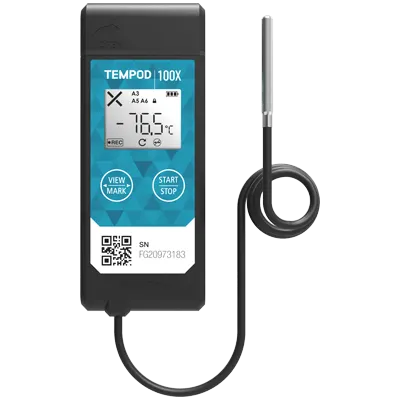
Tempod
₹6,000 – ₹9,500indicative
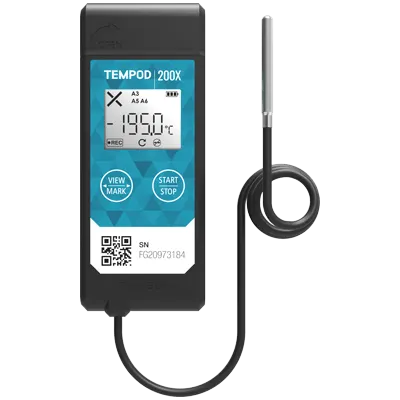
Tempod
₹9,000 – ₹14,000indicative
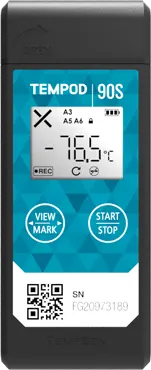
Tempod
₹2,000 – ₹3,500indicative
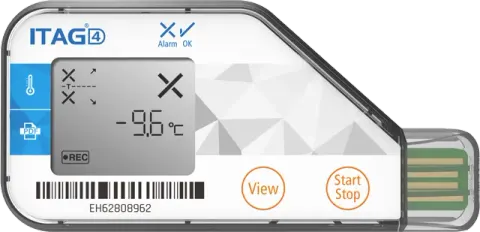
TempSen
₹1,800 – ₹3,000indicative
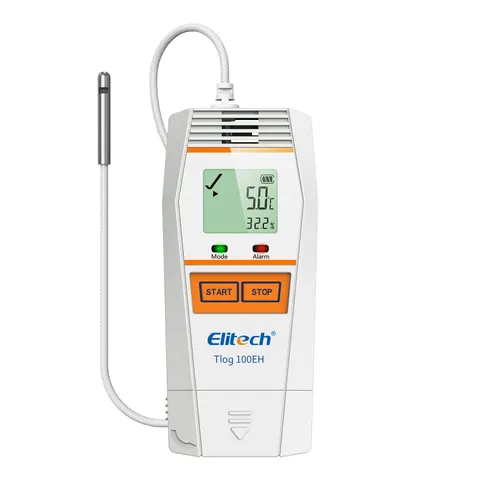
Elitech
₹3,520 – ₹8,170indicative
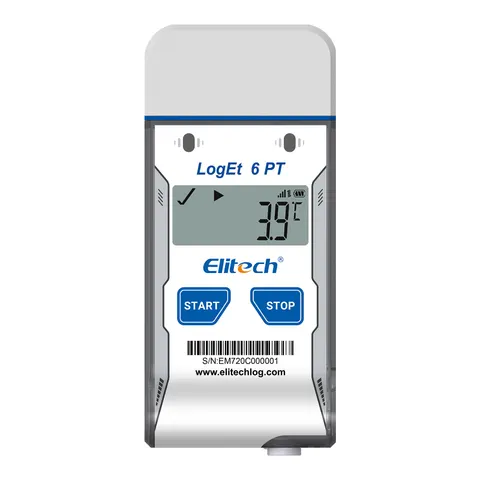
Elitech
₹8,550indicative
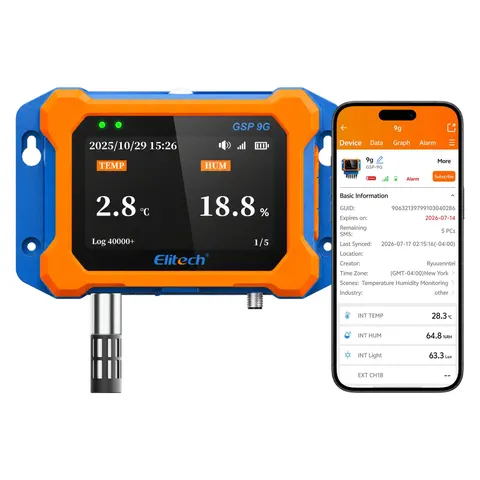
Elitech
₹10,350indicative
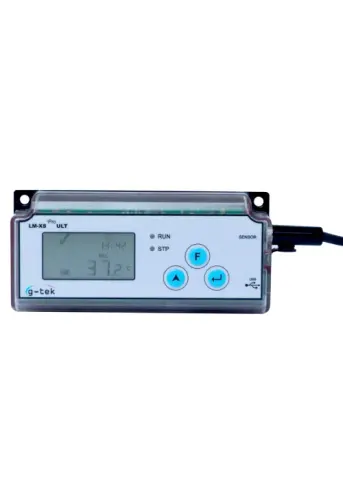
G-Tek
₹6,000 – ₹9,500indicative
How a probe logger measures
Standard data loggers have batteries, electronics and displays rated only down to about -30°C or -40°C. Below that, batteries fail and readings become unreliable. A probe data logger keeps the electronics in a safer environment and puts only the sensor where the extreme temperature is.
Probes also help when you need to measure:
| Type | How it works | Typical range | Best for |
|---|---|---|---|
| External probe logger | Logger outside, probe on a cable inside | -200°C to +200°C or wider, by probe | -80°C freezers, cold rooms, LN2 dewars, liquids |
| Internal-probe dry ice logger | Whole logger rated to sit in dry ice | About -80°C (some to -95°C) to +40°C | Dry ice shipments |
| Multi-channel thermocouple logger | 2–8 thermocouple or RTD inputs | -200°C to +1000°C+, by thermocouple type | Process, ovens, autoclaves, multi-point testing |
| Wireless probe logger | Probe logger that sends data to the cloud | By probe | Ultra-low freezers with real-time alerts |
| Probe type | Range (typical) | Accuracy | Strengths | Watch out for |
|---|---|---|---|---|
| Thermistor (NTC) | About -80°C to +150°C | High in its range | Low cost, sensitive, common in cold chain loggers | Limited range |
| Pt100 (RTD) | About -200°C to +400°C or higher | Very high, stable | Best for accuracy and long-term stability, pharma freezers and LN2 | Higher cost |
| Thermocouple (type T, K, J…) | Type T about -200°C to +350°C; type K up to about +1200°C | Moderate | Widest range, fast response, rugged | Lower accuracy; needs cold-junction compensation |
Rule of thumb: for -80°C freezers and LN2, a Pt100 or type T thermocouple is common. For dry ice, a low-temperature thermistor or Pt100 works well. For ovens and high-temperature processes, use type K thermocouples.
Dry ice sublimates at about -78.5°C, but packed dry ice can get colder during transport because of vibration and pressure changes. If your logger's range stops at exactly -80°C, readings at the coldest moments may be clipped or flagged as errors.
For dry ice shipments, check:
For real-time tracking of dry ice shipments, see GPS temperature data loggers with external probe support.
Liquid nitrogen sits at about -196°C. Cryogenic dewars and LN2 dry shippers need probes rated to -200°C, usually Pt100 or type T thermocouple. The logger itself stays outside the dewar, with the probe lead passing through the neck or a dedicated port.
Check that the probe cable is rated for cryogenic temperatures, since some cable insulation becomes brittle and cracks at very low temperatures.
The logger body has one operating range and the probe another. Make sure the probe covers the temperature you're measuring, and the logger covers the place it will sit.
Logger accuracy is often quoted without the probe. Check the accuracy of the complete system at your measuring temperature, since accuracy at -80°C is usually wider than at room temperature.
For pharma and labs, ask for a calibration certificate that covers your actual temperature (for example at -80°C), not just room temperature. Some systems let you swap a calibrated probe without replacing the logger.
Flat ribbon cables pass through freezer and cold room door seals without leaving gaps. Check the cable is long enough to reach from the logger position to the measuring point, and that its insulation (for example PTFE/Teflon) suits your temperature.
Interchangeable probes let you change range or replace a damaged probe. Fixed probes are simpler and sealed against moisture.
Single-probe loggers suit one freezer or shipment. Multi-channel loggers monitor several points or units at once, useful for freezer banks, process testing or temperature profiling.
USB loggers suit shipments and periodic checks. For ultra-low freezers holding irreplaceable samples, choose a wireless probe logger with real-time alerts. See wireless temperature data loggers.
Probes used in liquids, washdown areas or condensation-prone freezers should be sealed and waterproof.
-80°C ultra-low freezers: vaccines, biologics, cell lines and research samples.
Dry ice shipments: frozen pharma, clinical trial samples and biological material.
Liquid nitrogen storage and dry shippers: cell therapies, embryos, cryopreserved samples.
Vaccine and medicine fridges: glycol-buffered probes that mimic product temperature.
Food processing: product core temperature during cooking, chilling and freezing.
Ovens, autoclaves and process equipment: high-temperature monitoring and profiling.
Laboratories: incubators, water baths and multi-point testing.
On this site, probe-based data loggers range from about ₹1,800 to ₹1,80,000. Simple single-probe USB loggers cost a few thousand rupees, while multi-channel, cryogenic and wireless probe systems cost more.
When budgeting, consider:
Tell us what you need to measure and the temperature range for the best price.
Browse probe loggers by brand.
Calibration
How often to calibrate, what NABL traceability means, and what a valid calibration certificate must show.
Monitoring
Temperature ranges, sensor placement, alarms, defrost cycles and choosing the right monitoring system.
For -80°C freezers, use a probe data logger with a probe rated below -80°C, usually a Pt100, low-temperature thermistor or type T thermocouple. The logger stays outside the freezer while the probe cable passes through the door seal. For irreplaceable samples, choose a wireless probe logger with real-time alerts.
Choose a logger that measures below -80°C, ideally to -90°C or lower, since packed dry ice can get colder than -78.5°C during transport. Use either an external probe logger or a logger specifically rated to sit in dry ice, with a report the receiver can open easily.
Thermistors are low-cost and accurate within a moderate range, common in cold chain. Pt100 (RTD) probes are the most accurate and stable across a wide range, including cryogenic. Thermocouples cover the widest range, up to over 1000°C, but are less accurate.
Yes, with a probe rated to about -200°C, typically a Pt100 or type T thermocouple, with cryogenic-rated cable insulation. The logger stays outside the dewar while the probe measures inside.
Most freezer probes use a thin flat cable that passes through the door seal without stopping it from closing properly. Some freezers and cold rooms have a dedicated access port for sensor cables.
Yes. Logger accuracy is often quoted for the logger alone at room temperature. With a probe fitted, and at very low or high temperatures, accuracy is usually wider. Always check the system accuracy at the temperature you'll measure, and ask for calibration at that point.
A glycol probe sits in a small bottle of glycol or similar buffer, which slows down its response to quick air temperature changes, such as a fridge door opening. It shows a temperature closer to what the product actually experiences, reducing false alarms in vaccine and medicine fridges.
Probe-based data loggers listed on this site range from about ₹1,800 to ₹1,80,000. Single-probe USB loggers are the most affordable, while multi-channel, cryogenic and wireless probe systems cost more.
Tell us what you need to measure and the temperature range, and we'll recommend the right probe logger and send a quote.